


Modern School Design: Features That Matter in 2026
Modern school design starts with a simple question: what does it take to build a great school today? The answer lies in giving every square foot a distinct purpose. Because students need spaces that help them think, create, and grow, today's school design focuses on comfort, safety, and the growth of the students.
As a result, architects now build spaces that inspire young minds every single day. A smart layout changes how children learn, and it makes them excited to walk through the front doors. So, let's look at the top features of modern school design that matter most this year.
Key Features of Modern School Design
When architects plan a new campus, they look at school design features that improve student focus. The goal is to create an active environment, so here are the main pillars of a great modern school building design.
1. Spaces That Shape Shift
Versatile rooms help teachers create better daily lessons. Modern school design relies on flexible learning spaces that adapt in seconds, so teachers can effortlessly reconfigure the classroom layout for collaborative group projects or move it apart for quiet test-taking. Because of this flexibility, the room supports different teaching styles and turns into a dynamic hub.
2. Safety by Design
Parents need peace of mind when they drop off their kids. Modern school design integrates school safety design right into the blueprints, from clear sightlines to secure entry points and smart camera placements. Consequently, safe layouts protect students while maintaining an open, welcoming feel across the campus.
3. Growing Together
School owners face a growing challenge: traditional classroom layouts struggle to foster the complex collaborative and social-emotional skills required in today's interconnected world. However, a modern school design solves this by integrating adaptable shared learning zones throughout the campus. As a result, these intentional environments encourage natural dialogue, peer-to-peer engagement, and dynamic group problem-solving, preparing students to thrive in the modern workplace.
4. Tech in the Classrooms
Because we live in a digital world, modern school design creates technology-integrated classrooms from the ground up. This means high-speed Wi-Fi, built-in charging stations, and interactive screens. Even so, the tech blends smoothly into the room and never gets in the way of the teacher.
5. Multi-Purpose Commons
Lobbies, corridors, and open hallways are no longer just empty pathways. Instead, school design transforms these underutilized areas into high-value student hubs that serve many purposes at once, working as quiet reading nooks, small group meeting areas, quick study spots, and creative display zones. By giving these everyday areas a dual purpose, schools make the most of every square foot in the building.
6. Wellness and Quiet Zones
Today's students face rising academic pressure, daily stress, and mental fatigue. To support their mental health, modern schools create dedicated quiet zones and sensory alcoves that use biophilic design—incorporating natural light, indoor plants, soft organic textures, and other elements to bring nature indoors. Consequently, spending a few minutes in a calm, nature-inspired corner helps students lower their anxiety, regulate their emotions, and return to class refreshed.
7. Global Standards Meet Local Needs
Leading schools don't just follow local rules—they benchmark against world-class education standards. Modern school design bridges this gap seamlessly by taking international best practices for spatial layout, safety, and experiential learning, then aligning them directly with local educational board norms. Ultimately, this ensures your campus meets every mandatory lab, ventilation, and space requirement while delivering a globally competitive learning environment.
8. Sustainable by Design
A school design treats sustainability as both a smart strategy and a teaching tool. Green campuses focus on non-toxic materials, energy-efficient cooling, and abundant natural light. Meanwhile, eco-friendly features turn the campus into an interactive learning space, teaching students environmental responsibility through their everyday surroundings.
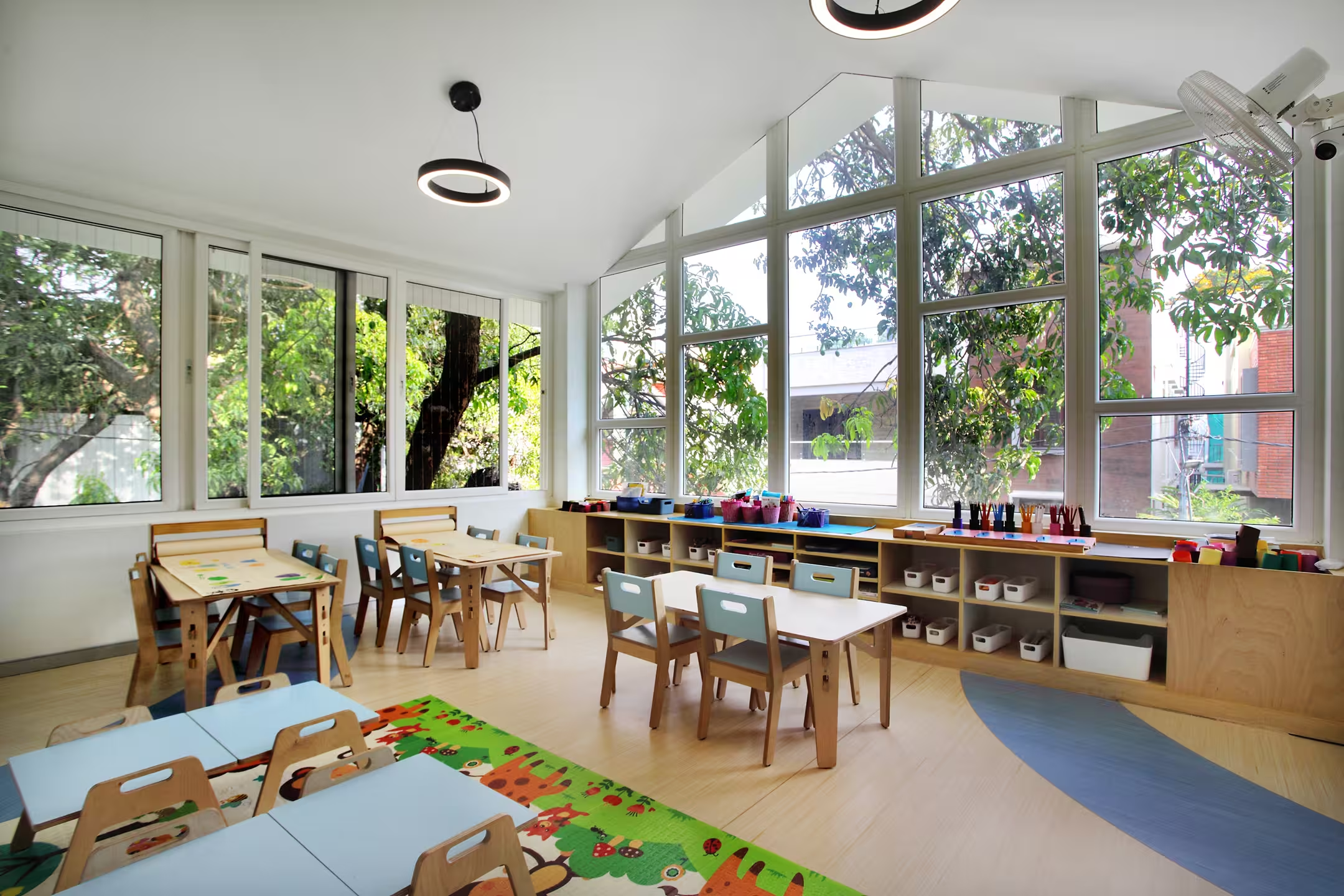
Classroom that promotes socialising with other students.
The Evolution of Modern School Design in Classrooms
School architecture has changed fast, since architects now use data to build better layouts. To see the true impact of modern school design, take a look at this quick comparison of standard setups versus updated choices.
| Feature | The Standard School Model | The Modern School Model |
|---|---|---|
| Classroom Layout | Fixed rows facing a front board | Dynamic setups that change instantly |
| Hallway Use | Empty walking corridors | Active learning hubs and modern school lounges |
| Technology | One computer lab down the hall | Smart devices in every single room |
| Common Areas | Big empty spaces used for assemblies | Multi-use zones offering flexibility |
A great school building design treats the environment around it as a silent teacher, shaping how students interact with their peers and lessons.

Traditional School Design vs. Modern School Design Floor Plan
The future of education is shaped not by technology alone, but by spaces that inspire curiosity, wellbeing, creativity, and connection—helping children learn, grow, and thrive.

Why Choose The School Designs Studio?
All Cross India
Do you want to build a space that inspires? The School Designs Studio knows how to execute a school design perfectly, balancing beauty, budget, and safety. Our team listens to your goals and then brings your vision to life with top-tier plans. Ultimately, we design spaces where children thrive, so let us help you master a modern school design for your next big project.
Frequently Asked Questions
Final Thoughts
The layout of a campus acts as a silent educator. For school owners and trustees, investing in modern school design is the most effective way to improve student enrollment, safety, and engagement. Additionally, dynamic features like shape-shifting furniture, tech integration, and active common areas maximize your property value while creating a true community hub.
Therefore, if you want your institution to stand out and attract families, modernizing your blueprints is your best path forward. Let us build classrooms that make everyone excited to learn, because exceptional modern school design makes that dream a reality.