
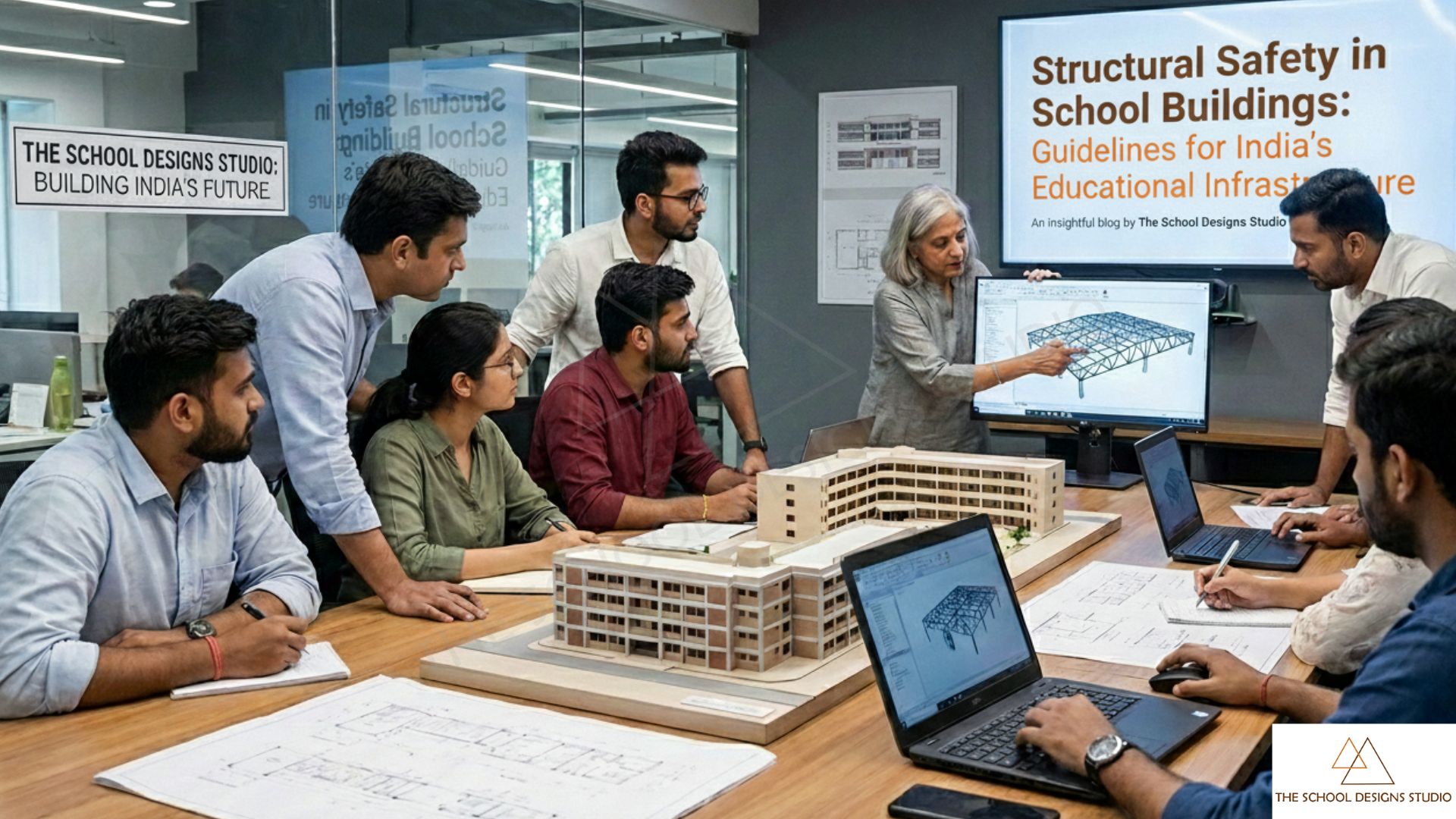
Structural Safety in School Buildings: Guidelines for India’s Educational Infrastructure
India’s educational infrastructure is expanding rapidly—from kindergartens in dense urban pockets to large K–12 campuses and university townships. While aesthetics, pedagogy-driven layouts, and modern amenities often take centre stage, structural safety remains the most critical, non-negotiable foundation of every school building.
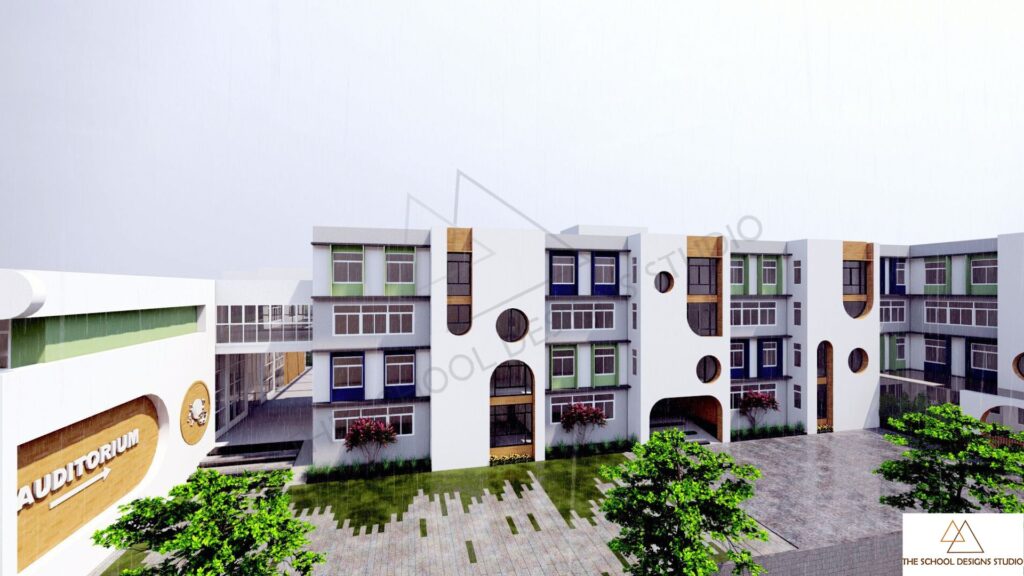
At The School Designs Studio, India’s top architecture firm specialised in educational institution design—from preschools and K–12 schools to colleges and universities—we firmly believe that a school is only successful if it is structurally safe. Design innovation holds value only when it protects the lives of students, teachers, and staff who inhabit these spaces every day.
This blog explores why structural safety in school buildings is vital, what Indian government policies mandate, what happens when safety is ignored, and how responsible school architects must approach structural design.
Why Structural Safety in Schools Is Non-Negotiable
Schools are not conventional buildings. They house:
- Young children with limited ability to respond during emergencies
- High daily occupancy loads
- Continuous movement across floors, corridors, and staircases
A single structural failure can lead to irreversible loss of life, lifelong trauma, legal consequences, and complete loss of institutional credibility.
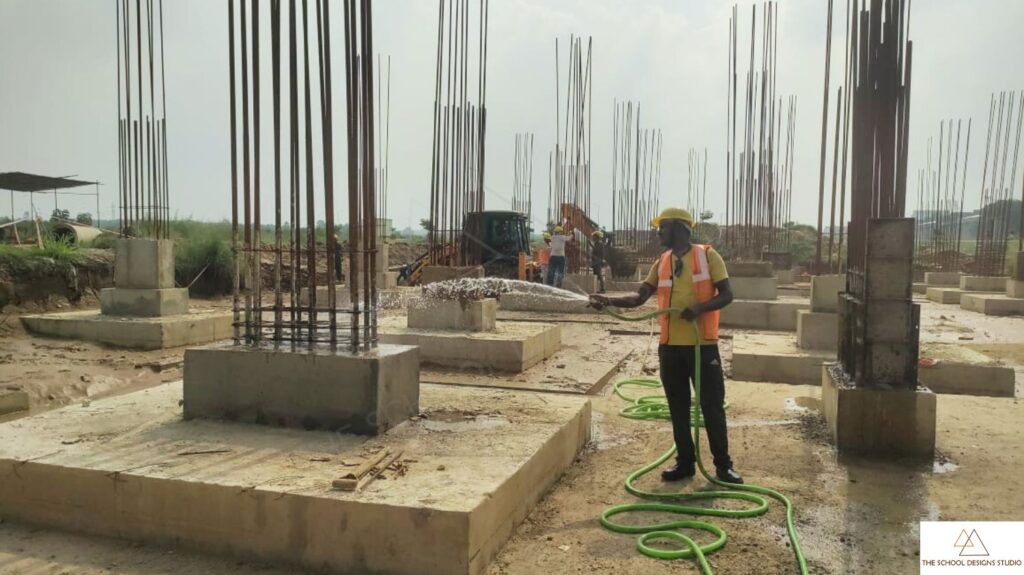
Structural safety impacts:
- Earthquake resistance
- Fire evacuation integrity
- Load-bearing capacity
- Long-term durability
- Disaster preparedness
Neglecting any of these can cause harm ranging from minor injuries to large-scale casualties, especially in seismic zones or densely populated campuses.
Key Indian Government Guidelines & Mandatory Policies for School Buildings
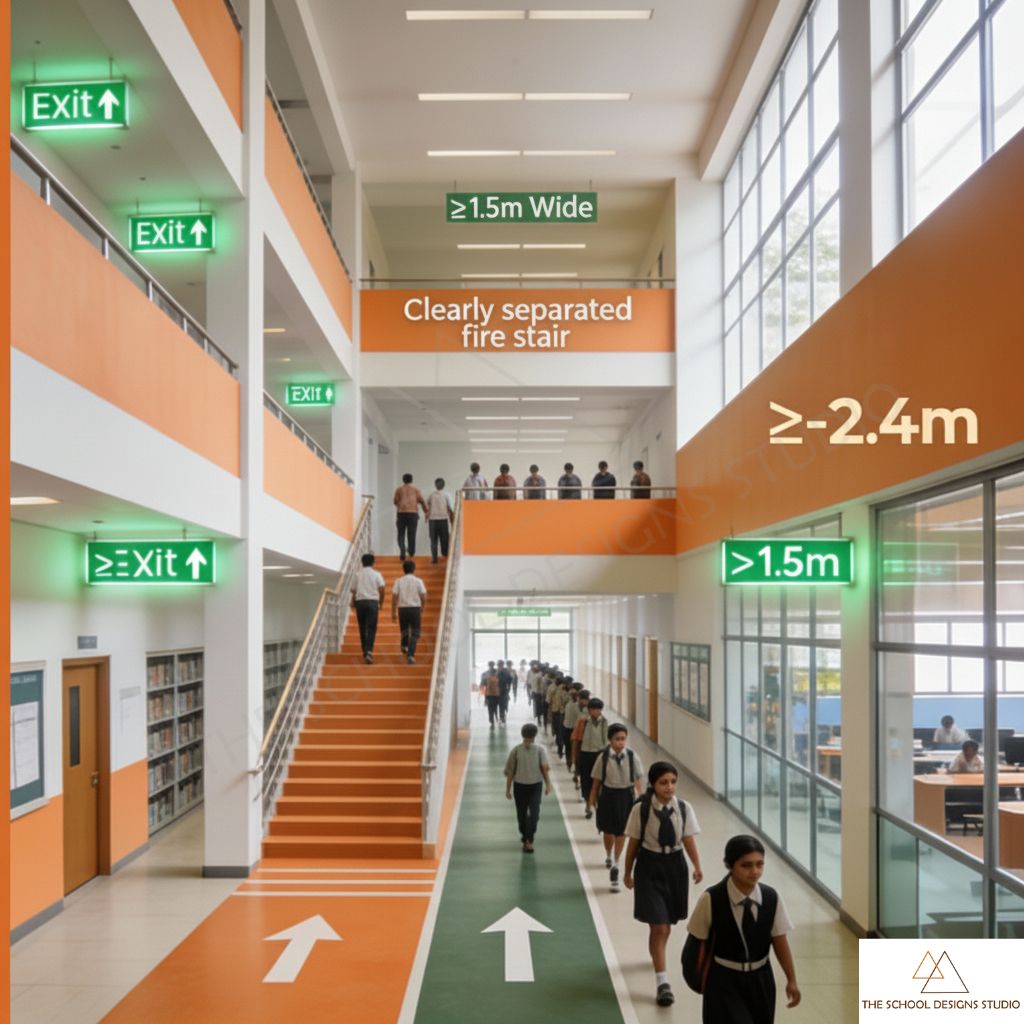
1. National Building Code of India (NBC 2016)
NBC 2016 is the primary legal framework governing building safety. For schools, it mandates:
- Seismic-resistant structural design
- Fire safety norms (Part 4)
- Safe staircases, exits, and corridors
- Structural stability based on occupancy type
Educational buildings fall under “Assembly Buildings,” demanding stricter safety standards.
2. Bureau of Indian Standards (BIS) Structural Codes
Mandatory IS codes include:
- IS 456 – Plain and Reinforced Concrete
- IS 1893 – Earthquake-resistant design
- IS 13920 – Ductile detailing for seismic safety
Non-compliance with these codes is a direct violation of safety regulations.
3. NDMA School Safety Guidelines
The National Disaster Management Authority (NDMA) issued guidelines specifically for school safety, focusing on:
- Structural audits of existing schools
- Disaster-resilient construction
- Earthquake, flood, and fire preparedness
4. Right to Education (RTE) Act – Infrastructure Norms
While largely focused on access and quality, RTE mandates safe and functional school infrastructure, making structural safety a legal obligation.
Real Incidents That Highlight the Cost of Negligence
Kumbakonam School Fire, India (2004)
While primarily a fire incident, the tragedy exposed:
- Poor structural exits
- Weak roofing materials
- Absence of compliant staircases
94 children lost their lives, many due to structural design failures that blocked evacuation.
L’Aquila School Collapse, Italy (2009)
During an earthquake, a school dormitory collapsed due to:
- Poor-quality concrete
- Ignored seismic guidelines
Students lost their lives in a building that was supposedly “renovated”,—highlighting how structural drawings alone are useless unless safety codes are followed honestly.
Nepal Earthquake (2015)
Thousands of school buildings collapsed, while those designed using seismic-resistant structural systems survived, proving that compliance saves lives.
These incidents underline a critical truth:
Structural safety is not optional—it is life-saving.
How Structural Safety Is Embedded in Our School Design Process
As one of the leading school architects in India, The School Designs Studio integrates structural safety from the very first design stage.
1. Structure-Led Planning
Before aesthetics, we study:
- Soil conditions
- Seismic zone classification
- Wind and live loads
This ensures layouts align with structural logic, not against it.
2. Collaboration with Structural Engineers
Every project involves:
- Detailed structural drawings
- Load calculations
- Ductile detailing for seismic zones
This approach is critical for kindergarten design, where child safety demands lower risk thresholds.
3. Fire & Evacuation Safety Integration
Structural systems support:
- Multiple staircases
- Wide corridors
- Clear exit paths
Fire safety is coordinated with the structure, not added later.
4. Long-Term Safety & Maintenance
We design for:
- Material durability
- Future vertical expansion
- Structural audits
This protects schools for decades, not just during handover.
Structural Safety and School Design: Beyond Compliance
Being among the top architects for designing school buildings, we believe safety is not just about meeting codes—it’s about anticipating risk.
Good structural design ensures:
- Reduced panic during emergencies
- Faster evacuation
- Minimal collapse risk
- Protection of investment
This is why India’s top school designers increasingly prioritise structure-led architecture over cosmetic design trend
Structural safety is not just an engineering responsibility—it is a moral obligation.
At The School Designs Studio, every school we design reflects our belief that the safest schools are the best schools.
Because when architecture protects lives,
it truly educates beyond classrooms.
Share This Article

